From Concept to Production
How Do I Start a Clothing Line From Scratch?
Pick a niche narrow enough to name its customer, choose the fabric before the designs, and build a first line of three to six pieces around it. Get a production pattern and a fit sample for each piece, then order a small first run from a factory that accepts low minimums.
Last updated:
Start from the fabric you want to work with
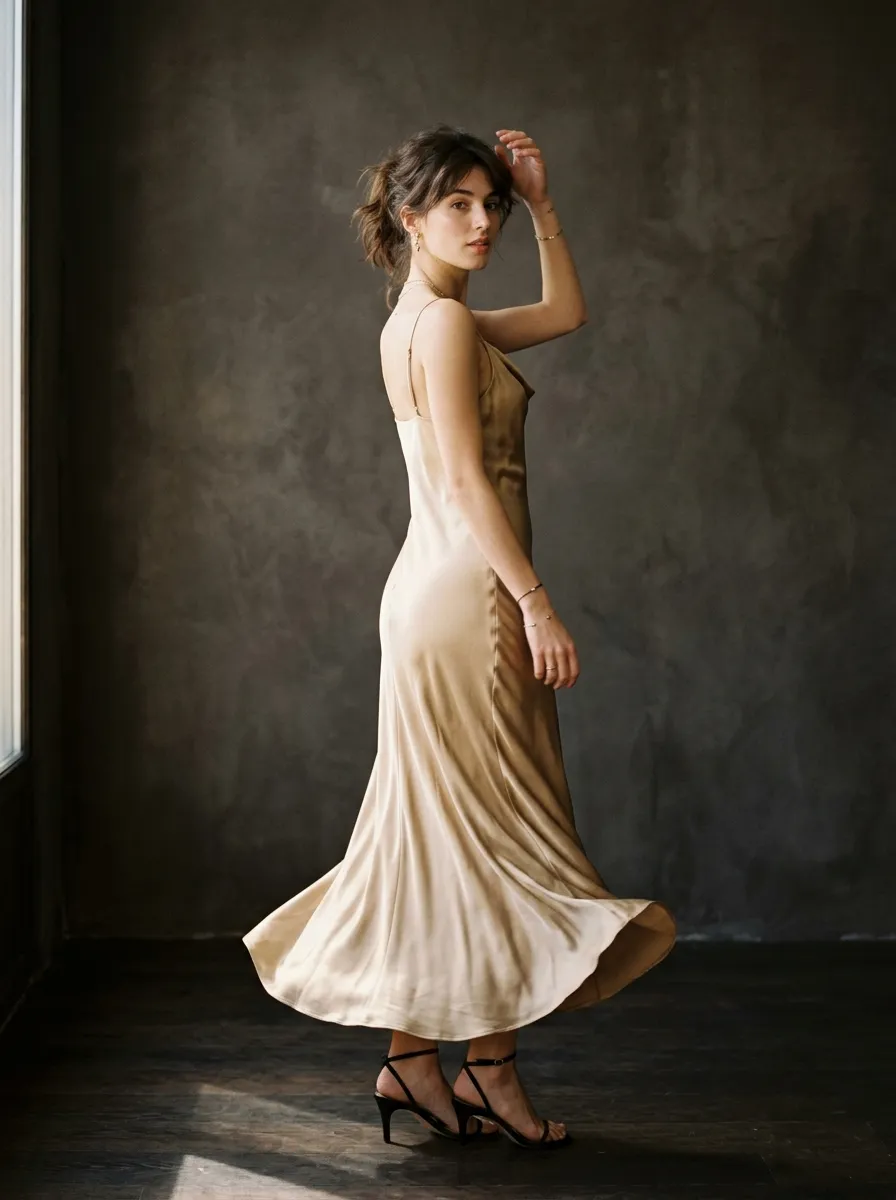
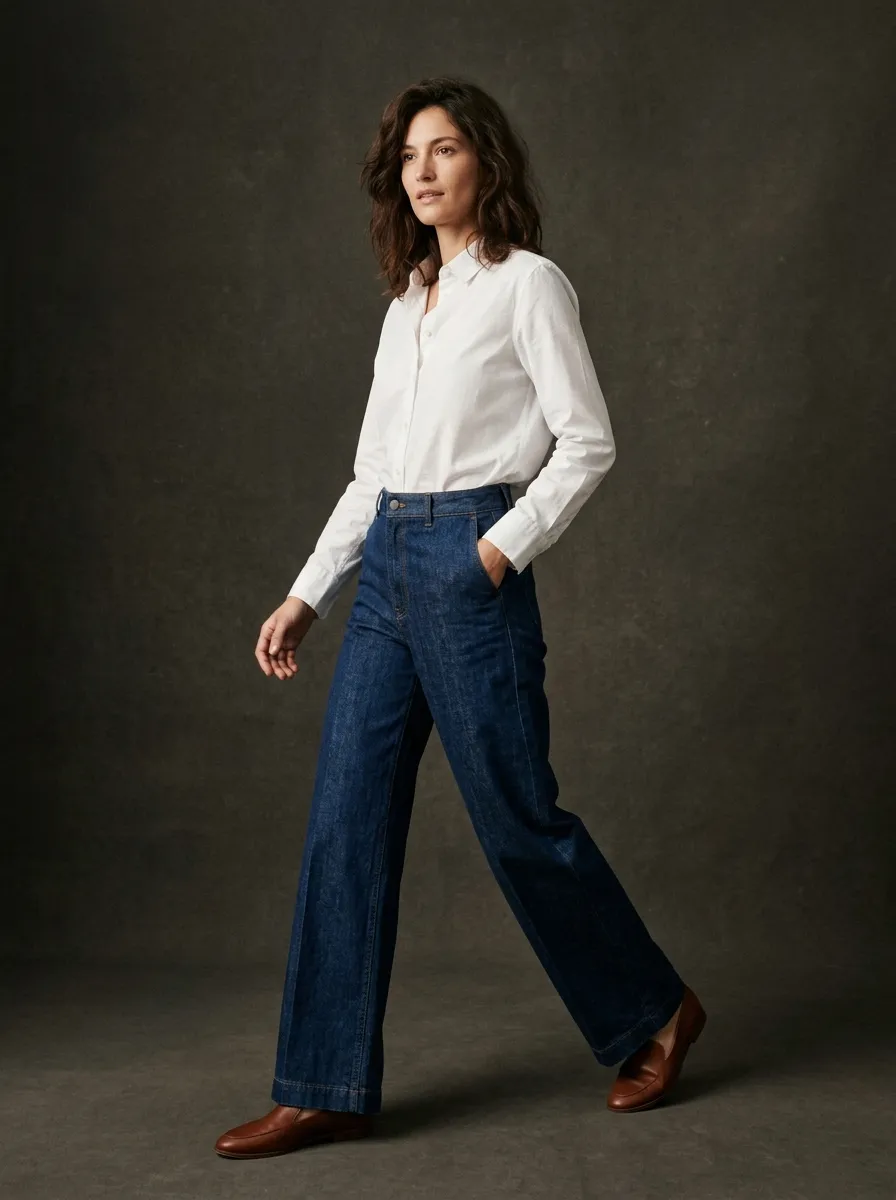
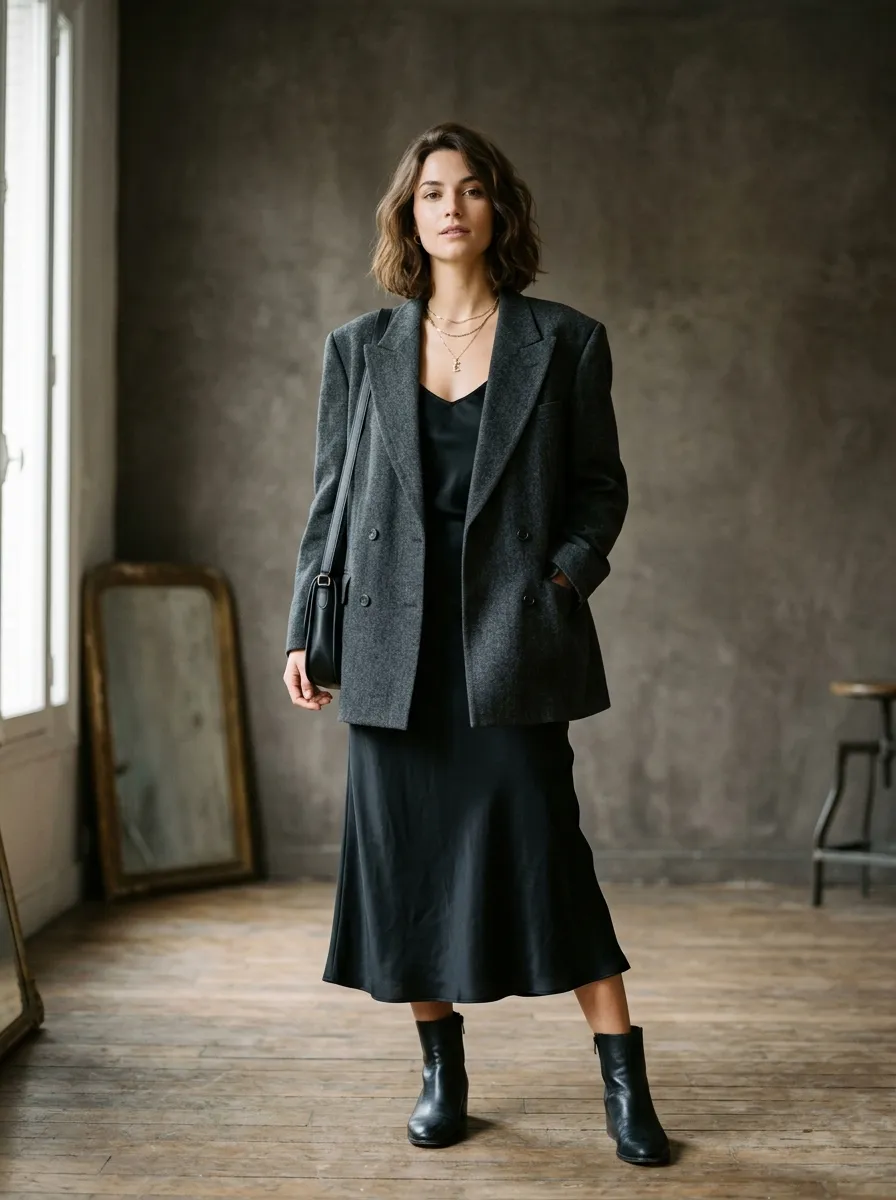
Photograph a fabric you are considering and see six garments it could become, each drawn in that cloth. It is a quick way to test whether one fabric can carry a whole first line.
Two free renders, shared across all our tools. No account.
Six ideas for your fabric. Your free renders go first (two across all our tools), then sign in free to render the rest.
Your photo is stored for 30 days, then deleted. It is used to make your image, and by the studio if you continue there. If you order a pattern from it, a copy is kept with your order.
Clothing Line vs Fashion Brand: Understanding the Difference
Before diving in, it is worth understanding what separates a clothing line from a fashion brand, because the distinction shapes your strategy, your budget, and your go-to-market approach.
A clothing line is product-first. It is a collection of garments designed for a specific purpose, customer, or category. Think: a line of performance running shorts, a collection of oversized graphic tees, or a range of linen basics. The focus is on the product itself, the fit, the fabric, the construction, the function. Many successful clothing businesses operate primarily as clothing lines without the overhead of building a lifestyle brand around them.
A fashion brand is identity-first. It is a clothing line wrapped in a story, aesthetic, and emotional connection. Brands like Supreme, Patagonia, and Jacquemus sell more than clothes; they sell belonging, values, and aspiration. Building a fashion brand requires significantly more investment in branding, content, community, and narrative.
Clothing Line Approach
- Focus on product quality and fit
- Lower startup costs ($3K-$15K)
- Can launch with 3-5 core styles
- Marketing emphasizes features and value
- Faster to market (3-6 months)
- Easier to pivot based on sales data
- Good for: basics, workwear, activewear, niche categories
Fashion Brand Approach
- Focus on brand identity and storytelling
- Higher startup costs ($10K-$50K+)
- Needs a full collection (8-15 styles)
- Marketing emphasizes lifestyle and community
- Longer to build equity (12-24 months)
- Stronger customer loyalty and retention
- Good for: streetwear, designer, lifestyle, sustainable fashion
This guide focuses on the clothing line approach: the nuts and bolts of getting physical garments designed, produced, and sold. If you want the broader brand-building perspective, read our companion guide: How to Start a Fashion Brand in 2026.
Choose Your Niche
The most important decision you will make is what kind of clothing to produce. Your niche determines everything downstream: your fabric choices, your manufacturing partners, your price point, your marketing channels, and your competition. A focused niche lets you build expertise, develop a reputation, and serve a specific customer better than a generalist ever could.
Popular Clothing Line Categories
Streetwear
Graphic tees, hoodies, joggers, and caps. Drop-based model with limited editions. Strong community and resale culture. Lower MOQs acceptable. High competition but passionate customer base.
Activewear / Athleisure
Leggings, sports bras, shorts, and performance tops. Technical fabrics (moisture-wicking, four-way stretch). Growing market with strong DTC potential. Requires fabric performance testing.
Sustainable / Eco-Friendly
Organic cotton, recycled polyester, deadstock fabrics. Values-driven customers willing to pay premium. Certifications (GOTS, OEKO-TEX) add credibility but cost. Growing fastest segment.
Premium Basics
Elevated essentials: perfect-fit tees, heavyweight hoodies, tailored joggers. Compete on fabric quality and fit, not graphics. Requires excellent pattern-making. High repeat purchase rate.
Workwear / Uniform
Functional clothing for specific industries or jobs. Durable fabrics, utilitarian design. B2B sales opportunity. Less trend-dependent, more consistent demand. Higher MOQs for B2B contracts.
Loungewear / Sleepwear
Comfort-first clothing for home and leisure. Soft fabrics (modal, bamboo, french terry). Gift-friendly category with strong Q4 sales. Lower complexity in construction.
Validating Your Niche
Before you invest money, validate that people actually want what you plan to make. Search Google Trends for your product category, is interest growing, stable, or declining? Look at competitors on Instagram and see how their posts perform. Check Etsy and Amazon best-sellers in your category. Read customer reviews on competitor products to find common complaints; those complaints are your opportunities. The best niches are ones where customers are actively searching for something they cannot find.
Develop Your Designs
Design development is where your clothing line starts to become real. This phase takes you from abstract ideas to specific garments with defined silhouettes, fabrics, colors, and details. Whether you are drawing by hand, working in design software, or using AI, the goal is the same: arrive at a set of designs you are confident enough to produce.
Start with Mood Boards
Mood boards are the bridge between feeling and design. Collect images that capture the vibe of your line, not just clothing, but architecture, nature, art, film stills, and textures that evoke the aesthetic you are after. Use Pinterest, Are.na, or a physical board. The goal is to identify patterns in what you are drawn to: a color palette emerges, silhouettes repeat, a texture theme appears. This visual foundation keeps your collection cohesive as you develop individual pieces.
AI-Powered Design Iteration
The design iteration process has been transformed by AI. Instead of hiring a designer to produce sketches or spending weeks in Illustrator, you can describe a garment in natural language and see a photorealistic rendering on the first pass. Smasher Studio is built specifically for fashion: it understands garment construction, fabric drape, proportion, and styling in ways that general-purpose AI image generators do not.
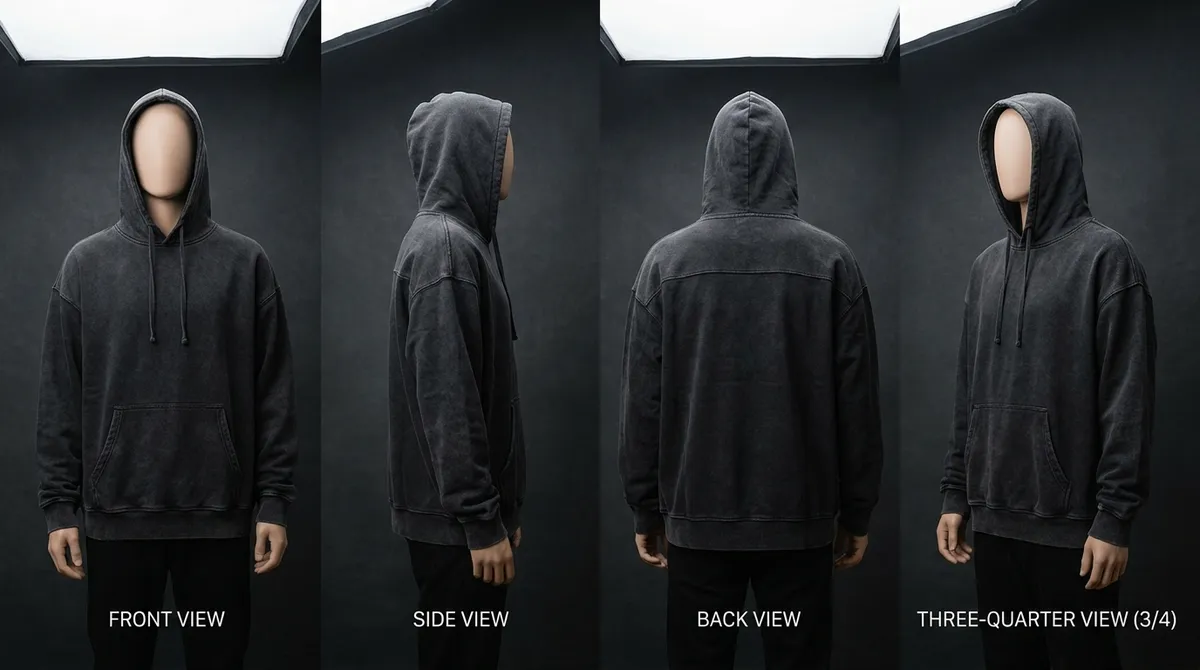
A practical AI design workflow looks like this: start broad with 20-30 concept variations, exploring different silhouettes, details, and colorways. Narrow to your top 10-15 based on what feels right for your line. Then use AI to explore those designs in different fabrics (cotton vs linen vs polyester blend), different colorways (your palette applied across styles), and from multiple angles (front, back, side views). In an afternoon, you can produce the equivalent of weeks of traditional design work.
The output is not just for you; these AI-generated visuals are professional enough to share with potential manufacturers, gauge customer interest on social media, and include in investor pitch decks. Several brands have successfully pre-sold collections using AI-generated product images before producing a single physical sample.
Building a Cohesive Collection
A common mistake is designing pieces in isolation. Each garment should relate to the others through shared design language: consistent color palette, complementary silhouettes, and details that create visual harmony. A customer should be able to buy any two pieces from your line and have them work together as an outfit. Test this by laying out your designs side by side. If one piece looks like it belongs to a different brand, it probably needs revision or removal.
Source Fabrics
Fabric is the single biggest factor in how your clothing looks, feels, and performs. Choose the wrong fabric and even a perfect design will disappoint customers. Choose the right fabric and a simple design becomes something people rave about. This is where many first-time founders underinvest, opting for the cheapest option when a slightly better fabric could be the difference between returns and repeat customers.
Common Fabrics by Category
| Fabric | Best For | Weight Range | Price/Yard | Key Consideration |
|---|---|---|---|---|
| Cotton Jersey | T-shirts, basics | 4-7 oz | $5-$15 | Combed > carded. Ring-spun feels softer. |
| French Terry | Hoodies, sweats | 8-12 oz | $8-$20 | Heavier = more premium feel. Check shrinkage. |
| Fleece | Hoodies, joggers | 10-14 oz | $8-$18 | Brushed back for softness. Pilling is the enemy. |
| Ripstop Nylon | Outerwear, bags | 1-4 oz | $6-$15 | Water-resistant finish optional. DWR coating adds $1-2. |
| Ponte Knit | Pants, blazers | 8-12 oz | $10-$22 | Double-knit structure gives body. Great recovery. |
| Denim (twill) | Jeans, jackets | 8-14 oz | $8-$30 | Selvedge is premium but $20+/yd. Stretch denim uses 2-5% elastane. |
| Modal/Lyocell | Loungewear, basics | 4-6 oz | $10-$25 | Incredibly soft. Sustainable. Drapes beautifully. |
| Performance Poly | Activewear | 4-7 oz | $6-$18 | Moisture-wicking, quick-dry. Recycled options (rPET) available. |
Sustainability Considerations
If sustainability is important to your brand (and your customers increasingly expect it), look for GOTS-certified organic cotton, GRS-certified recycled polyester, OEKO-TEX Standard 100 tested fabrics (free from harmful chemicals), or deadstock fabrics from overruns. Sustainable fabrics typically cost 15-40% more per yard, but they support higher retail prices and attract a growing segment of conscious consumers. Some certifications also let you use their labels on your hangtags, adding perceived value.
Ordering and Testing
Never commit to a fabric based on a website photo. Order swatch books from multiple suppliers; most mills send them for free or for a nominal charge. When you receive swatches, test for hand feel (how it feels against skin), drape (how it hangs on the body), stretch and recovery (does it bounce back after stretching?), pilling (rub the fabric against itself vigorously), and wash performance (wash and dry a swatch three times and note any shrinkage, color fading, or texture change). These simple tests save you from expensive mistakes at production scale.
Create Samples
Sampling is the most expensive part of pre-production, but it is also the most critical. A sample is the physical prototype of your garment: the first time your design exists in fabric, with real seams, real buttons, and a real fit on a human body. Rushing this step or cutting costs here almost always leads to production problems that cost far more to fix later.
Sample Costs
Expect to pay $100-$500 per sample for basic garments (t-shirts, hoodies, joggers) and $300-$1,000+ for complex pieces (tailored jackets, technical outerwear, structured dresses). Most garments require 2-3 rounds of sampling to get right. First sample reveals major issues (proportions, fabric choice, construction method). Second sample refines the details (stitch count, seam allowances, label placement). Third sample (if needed) is the pre-production sample that should be identical to what ships.
For a 10-piece collection, budget $2,000-$8,000 for sampling, and that is before any fabric costs. This is where AI pre-visualization saves real money. By generating photorealistic renders of your designs in different fabrics and colorways using tools like Smasher Studio, you can eliminate designs that do not work before investing in physical samples. Instead of sampling 20 concepts to select 10, you sample 12 and produce 10.
Fit Sessions
When your samples arrive, conduct a proper fit session. Have someone wear each sample who matches your target customer's body type. Check fit at every point: shoulders, chest, waist, hip, arm length, torso length, leg opening. Sit down, raise your arms, bend over; garments need to work in motion, not just standing still. Take photos from every angle and create a fit notes document for your manufacturer listing every adjustment needed. Be specific: "reduce chest width by 0.5 inches at the underarm" is actionable; "make it a bit slimmer" is not.
Pre-Production Approval
Your final approved sample is called the "golden sample" or "PP sample" (pre-production sample). This is the standard your factory will reference for bulk production. Seal this sample and keep it; do not wear it, wash it, or alter it. Your factory will match their production output to this exact garment. When your production run arrives, you will compare random pieces against this golden sample to check quality.
Production
Production is where your clothing line becomes a real business with real financial commitments. You are ordering hundreds or thousands of units of finished goods, and every decision, from MOQ negotiation to quality control, directly impacts your bottom line. This is not the step to wing.
Negotiating MOQs
Minimum order quantities are the biggest barrier for new clothing lines. Overseas factories often quote MOQs of 500-1,000 units per style per color. For a new brand, that is an enormous commitment. Here is how to negotiate:
- Start with domestic factories that accept 50-200 unit MOQs. You will pay more per unit, but your risk is lower.
- Offer to pay a higher per-unit price in exchange for a lower MOQ. Many factories will accommodate if the margin is worth their time.
- Use stock fabrics instead of custom-dyed materials. Custom fabric dyeing has its own MOQ (usually 200+ yards), but stock fabrics are already available.
- Consolidate colorways. Instead of 3 colors at 100 units each, offer 1-2 colors at 150-200 units. Fewer changeovers are cheaper for the factory.
- Build a relationship. Your first order is always the hardest. Prove you are reliable, pay on time, and provide clear tech packs: factories will lower MOQs for trusted repeat clients.
Quality Control
Quality control is non-negotiable. For your first production run, inspect every single unit before shipping to customers. Check for: consistent sizing (measure 5-10 random units against your spec), even stitching (no skipped stitches, loose threads, or puckering), accurate color (compare to your approved swatch), correct labels and hangtags, and clean finishing (no raw edges, stains, or fabric defects). Even good factories have a 2-5% defect rate. Catching defects before they reach customers saves your reputation.
Production Timeline
Longer if custom-dyeing
From your approved sample
Layout optimization reduces waste
Depends on complexity and quantity
Pressing, labeling, folding, packing
Ground freight for bulk
Sea freight; air is 3-5x more expensive
Pricing Strategy
Pricing is both art and math. Price too high and nobody buys. Price too low and you cannot sustain the business. The goal is to find the price point where your target customer perceives strong value while your margins support growth. Most new clothing lines underprice their products because they feel guilty charging what their clothes are actually worth. Do not make this mistake: underpricing kills more brands than overpricing.
Calculating Your Landed Cost
Your landed cost includes everything it takes to get a finished garment ready to ship to a customer:
Setting Retail and Wholesale Prices
With a landed cost of $13.15, here is how pricing works across channels:
| Channel | Multiplier | Price | Gross Margin |
|---|---|---|---|
| DTC Retail | 3-4x | $39-$52 | 66-75% |
| Wholesale | 2-2.5x | $26-$33 | 49-60% |
| Marketplace (after fees) | 3-4x (minus 15-20% fees) | $33-$44 net | 55-70% |
Remember: gross margin is not profit. After marketing (15-25% of revenue), operations (5-10%), returns (5-10%), and overhead, a healthy net margin for a clothing line is 10-25%. Work backwards from your desired net margin to make sure your pricing supports a sustainable business.
Sales Channels
Where you sell determines your margins, your brand perception, and your growth trajectory. Most clothing lines start with one primary channel and expand from there. The key is choosing the channel that best matches your product, price point, and target customer.
Direct-to-Consumer (DTC) Website
Your own website is the highest-margin channel and should be your foundation. You control the brand experience, own the customer data, and keep 85-95% of revenue (after payment processing and platform fees). Shopify is the standard for fashion brands: it handles inventory, payments, shipping, and integrates with every marketing tool you will need. Budget $39-$79/month plus your domain name. The downside of DTC is that all traffic acquisition is on you. Nobody will find your store unless you drive them there through marketing, SEO, social media, or advertising.
Wholesale
Selling wholesale to boutiques and retailers gives you volume and credibility, but at lower margins (you sell at 50% of retail) and with more complexity (net-30/60 payment terms, order minimums, trade show costs). Start local: visit independent boutiques in your area with your samples and line sheet. Attend regional trade shows before investing in national ones like MAGIC or Capsule. Some brands use platforms like Faire or NuOrder to reach wholesale buyers online. Wholesale works best for clothing lines with $50+ retail prices where the wholesale margin still covers your costs.
Marketplaces
Amazon
Massive reach (300M+ active customers), but heavy competition, thin margins (15-20% referral fees), and limited brand storytelling. Best for basics and commodity fashion.
Etsy
Strong for handmade, small-batch, and unique fashion. Lower fees (6.5% transaction). Customers expect craftsmanship and authenticity. Good for first sales and validation.
Depop
Gen Z marketplace with strong streetwear, vintage, and emerging brand culture. Social-media-like interface. 10% transaction fee. Great for building community.
TikTok Shop
The fastest-growing channel for fashion in 2026. In-app checkout from video content. Some fashion brands doing 30-50% of revenue through TikTok. Low barriers to entry.
Pop-Up Shops and Markets
Physical retail, even temporary, adds a dimension that online cannot replicate. Customers can touch your fabrics, try on your fits, and meet the person behind the brand. Pop-up costs range from $200 for a local market booth to $2,000-$5,000 for a weekend in a shared retail space. Start small: flea markets, art walks, and community events are low-risk ways to test physical retail and gather face-to-face customer feedback. The data you collect from in-person interactions (what people touch first, what questions they ask, what sizes sell fastest) is invaluable for refining your line.
Budget Breakdown: Minimum Viable Clothing Line
Here is what it actually costs to launch a minimum viable clothing line, 5 styles, 100 units per style, domestic manufacturing, DTC sales. These are real numbers based on current market rates for US-based production.
| Category | Budget Path | Premium Path |
|---|---|---|
| Design (AI-assisted) | $50-$100 | $200-$500 |
| Tech Packs (5 styles) | $25-$100 (AI) | $1,000-$2,500 (designer) |
| Sampling (5 styles, 2 rounds) | $1,000-$2,500 | $2,500-$5,000 |
| Fabric (500 units) | $1,500-$3,000 | $3,000-$6,000 |
| Production / CMT (500 units) | $2,500-$5,000 | $4,000-$8,000 |
| Labels, Tags, Packaging | $300-$600 | $500-$1,200 |
| Product Photography | $25-$50 (AI) | $1,500-$4,000 (studio) |
| E-commerce Setup (Shopify) | $200-$400 | $500-$2,000 |
| Legal (LLC, Trademark) | $300-$500 | $500-$1,500 |
| Marketing / Launch | $500-$1,500 | $2,000-$5,000 |
| Total | $6,400-$13,750 | $15,700-$35,700 |
The budget path uses AI tools for design, tech packs, and photography, domestic cut-and-sew with stock fabrics, and bootstrapped marketing. The premium path uses professional designers, custom fabrics, studio photography, and paid marketing. Both produce a legitimate clothing line, the difference is in polish and risk tolerance.
Frequently Asked Questions
What is the difference between a clothing line and a fashion brand?+
How many pieces should my first clothing line have?+
Can I start a clothing line with no experience in fashion?+
How do I find fabric suppliers for a small clothing line?+
What is a realistic profit margin for a clothing line?+
Should I use print-on-demand or cut-and-sew manufacturing?+
How long does it take to produce a clothing line from start to finish?+
Do I need a business license to sell clothing?+
Continue Reading
How to Start a Fashion Brand
The complete brand-building guide: identity, story, positioning, marketing, and launch strategy.
AI Fashion Design Tools
Explore AI-powered design for every garment type. Generate concepts from text descriptions.
Cotton Fabric Guide
Everything about cotton: types, weights, best uses, pricing, and sustainability options.
Denim Fabric Guide
From raw selvedge to stretch denim. Weights, washes, and sourcing for jeans and jackets.
Streetwear Design
Style guide for streetwear brands: aesthetic direction, audience, and design principles.
AI T-Shirt Design
The most popular starting point. Generate professional t-shirt designs with AI on the first pass.
Ready to Launch Your Clothing Line?
Design your collection with AI, make product photography, order production patterns, and go from concept to production faster than ever. Free to start, no credit card required.