Complete Guide for 2026
How Do I Start a Fashion Brand With No Experience?
Start with one customer and one product you can describe precisely, then turn it into three to five designs, a production pattern per style and a fit sample before you order stock. Design and imagery can be done on screen; the pattern, the sample and the factory need people who do it for a living.
Last updated:
Draw your first three designs
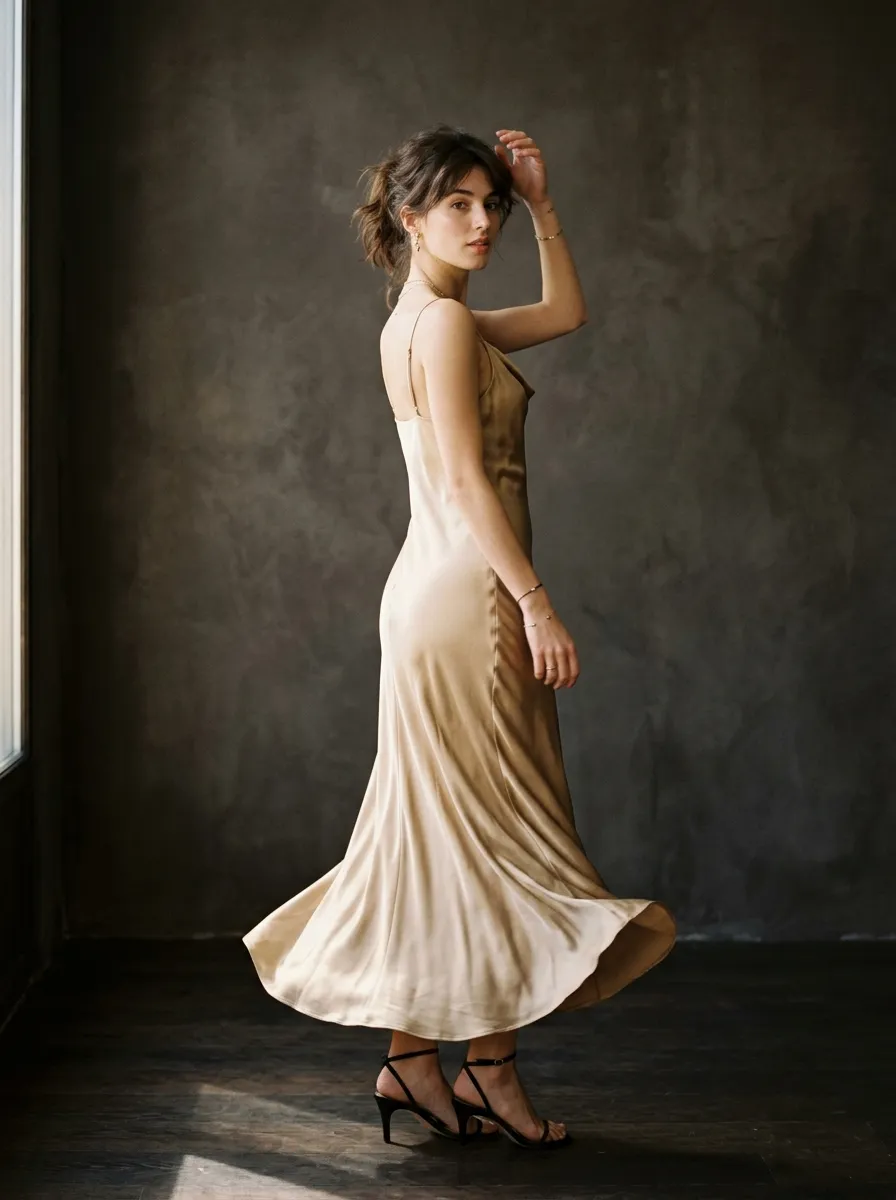
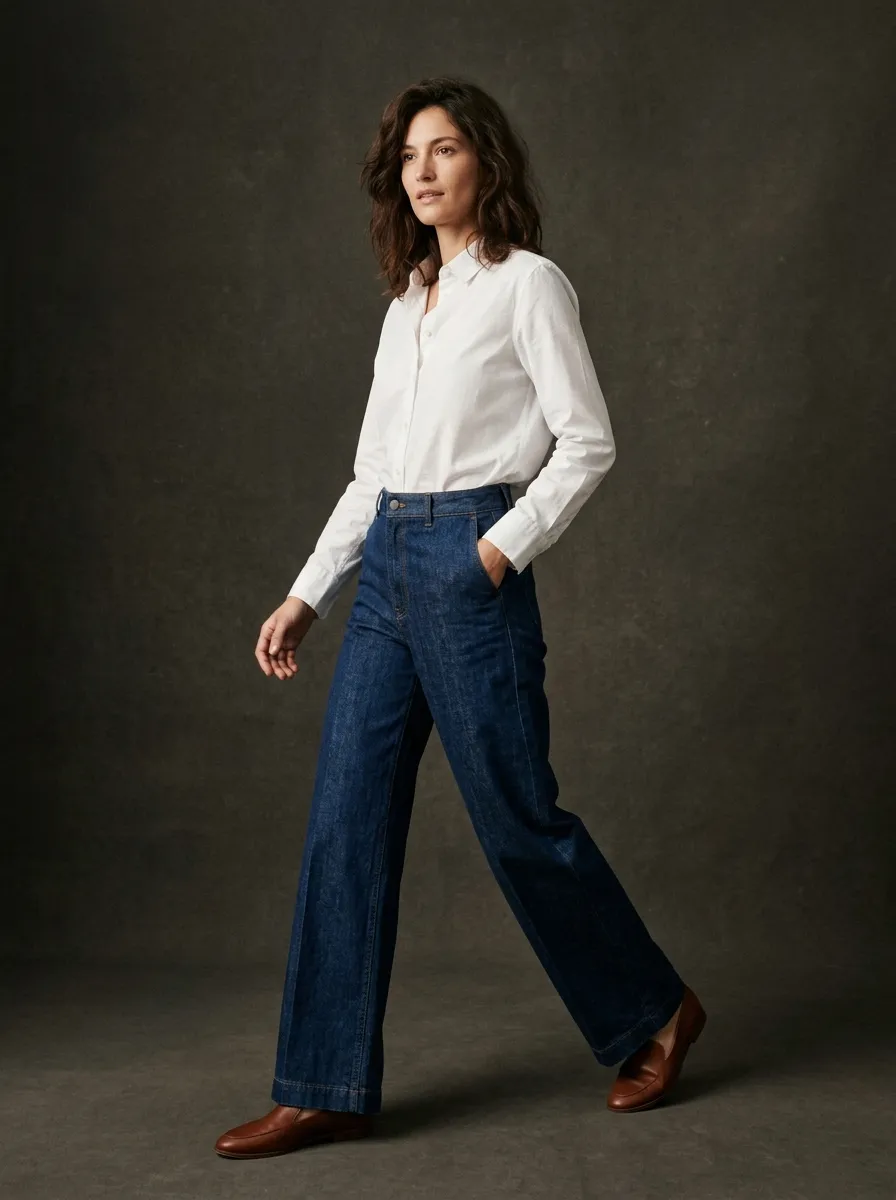
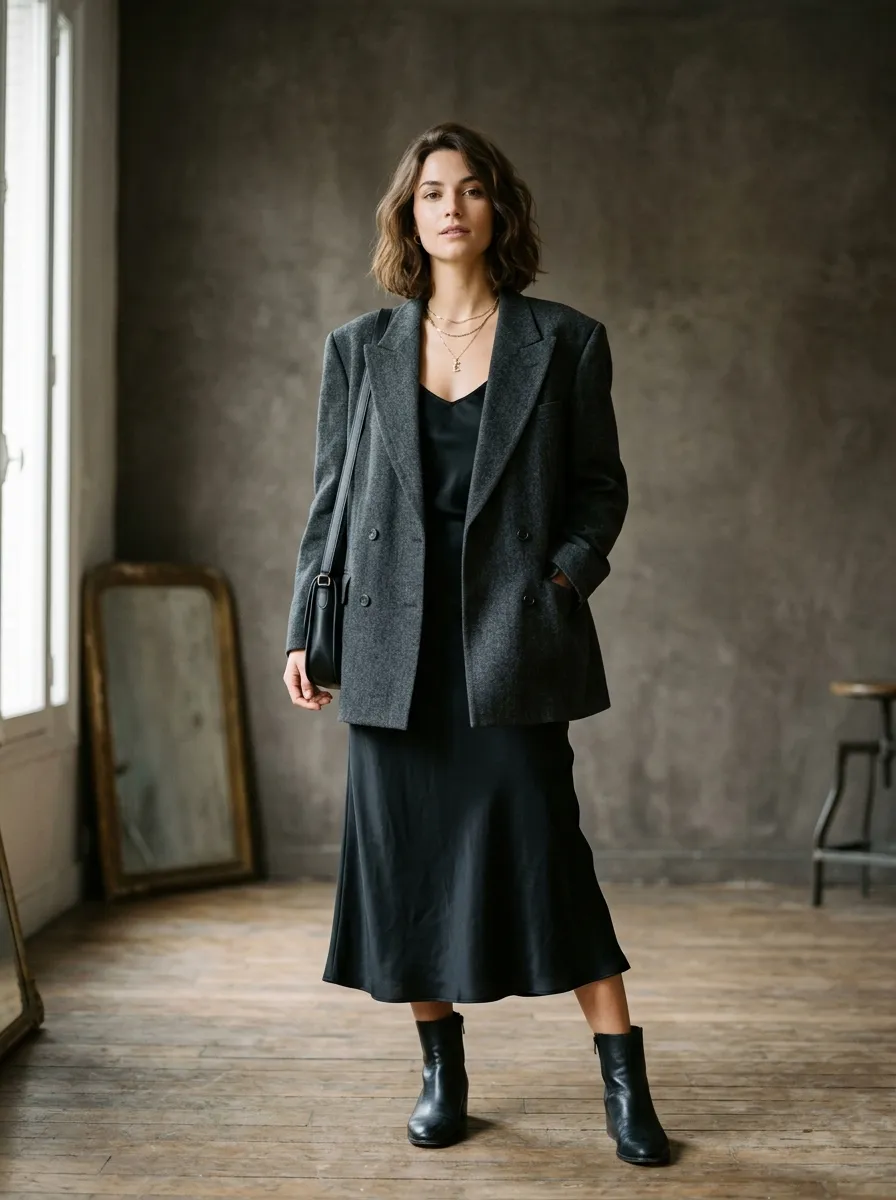
No sketching skills needed: describe your first piece in your own words, the way you would tell a pattern maker, and see it as a product image. Keep the ones that sound like your brand and carry them into the studio.
Two free renders, shared across all our tools. No account.
In This Guide
- Introduction: The Fashion Industry in 2026
- Step 1: Define Your Brand Identity
- Step 2: Design Your First Collection
- Step 3: Create Tech Packs
- Step 4: Find Manufacturers
- Step 5: Product Photography
- Step 6: Build Your Online Store
- Step 7: Launch and Market Your Brand
- Cost Comparison: Traditional vs AI-First
- Frequently Asked Questions
The Fashion Industry in 2026: Why Now Is the Best Time to Start
Five years ago, launching a fashion brand meant one thing: raising a lot of money. You needed $10,000-$20,000 just for design and sampling before you could even think about production. You needed a professional photographer, a studio, models, and a retoucher for your product imagery. You needed a graphic designer for your tech packs, a pattern maker for your grading, and a sourcing agent to navigate overseas manufacturing. The barrier to entry was high, and the failure rate reflected it: roughly 90% of new fashion brands failed within the first three years.
In 2026, that equation has fundamentally changed. AI design tools can generate photorealistic product concepts from a text description. AI can draw your flats (the factory tech pack comes with the pattern order as an add-on), visualize your designs in different fabrics and colorways, and produce product photography that is indistinguishable from a $5,000 studio shoot. On-demand manufacturing and low-MOQ factories have made it possible to produce small batches without committing to thousands of units. And direct-to-consumer platforms like Shopify have reduced the cost of reaching customers to essentially zero.
This does not mean starting a fashion brand is easy. The market is more competitive than ever, customer expectations are higher, and building a brand that lasts still requires genuine creativity, relentless execution, and a deep understanding of your customer. What has changed is the starting line. You no longer need to be wealthy, well-connected, or formally trained to create professional-quality fashion. You need a clear vision, the right tools, and the willingness to put in the work.
This guide covers both paths: the traditional approach and the AI-first approach, so you can choose the strategy that fits your budget, timeline, and goals. Whether you are bootstrapping with $2,000 or investing $50,000, the steps are the same. The tools are what differ.
Define Your Brand Identity
Before you sketch a single design, you need to know who you are building for and why they should care. Brand identity is the foundation that every other decision sits on, your designs, your pricing, your marketing, your retail partners. Skip this step and you will waste months (and thousands of dollars) building something nobody asked for.
Choose Your Niche
The biggest mistake first-time founders make is trying to be everything to everyone. "We make clothes for people who like fashion" is not a niche. A niche is specific enough that your target customer immediately feels seen. Think:
- Minimalist workwear for women in tech
- Streetwear rooted in West African textile patterns
- Sustainable activewear for trail runners
- Size-inclusive evening wear for women 40+
- Gender-neutral basics with a Japanese aesthetic
Each of these niches has a clear target customer, aesthetic direction, and reason to exist. The narrower your niche at launch, the easier it is to build a loyal following. You can always expand later. Patagonia started with climbing gear. Nike started with running shoes. Gymshark started with bodybuilding tanks.
Define Your Target Audience
Go deeper than demographics. Yes, you need to know age, gender, income level, and location. But the real insights come from psychographics: their values, lifestyle, aspirations, pain points, and shopping behavior. Talk to real people. Browse Reddit threads, TikTok comments, and Instagram communities where your target customer hangs out. What brands do they already love? What are they complaining about? What gap exists that nobody is filling?
Create a detailed customer persona. Give them a name. Know where they shop, what podcasts they listen to, what makes them pick one brand over another. When you are making design decisions at 2 AM, this persona is the person you are designing for.
Craft Your Brand Story
In 2026, nobody buys clothes just because they need something to wear. People buy brands that represent something: sustainability, craftsmanship, rebellion, community, heritage, innovation. Your brand story is the narrative that connects your products to a larger meaning. It answers the question: "Why does this brand exist, and why should I care?"
Your story does not need to be dramatic. It can be as simple as: "I could not find well-fitting dress shirts for athletic builds, so I spent two years perfecting the pattern." Authenticity matters more than drama. Customers can spot manufactured stories from a mile away.
Positioning and Pricing Tier
Decide early where your brand sits in the market. This affects everything from fabric choices to marketing channels:
| Tier | T-Shirt Price | Target Margin | Examples |
|---|---|---|---|
| Budget | $15-$25 | 40-50% | Shein, H&M, Uniqlo |
| Mid-Range | $30-$60 | 55-65% | Everlane, COS, Madewell |
| Premium | $65-$120 | 65-75% | Aimé Leon Dore, Stussy, A.P.C. |
| Luxury | $150+ | 75-85% | Fear of God, Acne Studios, Brunello Cucinelli |
Design Your First Collection
Your first collection does not need to be large. Most successful brands launch with 8-12 styles that tell a cohesive story. Think of it as a capsule collection: a curated selection that demonstrates your aesthetic, fits your niche, and gives customers enough variety to build an outfit without overwhelming your production budget.
A balanced first collection might include: 2-3 tops (a tee, a long-sleeve, a hoodie or sweatshirt), 2 bottoms (pants or shorts), 1-2 outerwear pieces (a jacket or overshirt), and 2-3 accessories (a cap, a bag, socks). Not every brand needs all of these: a brand focused on dresses might launch with 8 dress styles in different silhouettes. Fit your collection to your niche.
The Traditional Design Path
Traditionally, designing a collection starts with mood boards: collages of inspiration images, fabric swatches, color palettes, and reference garments. From there, a designer sketches flat technical drawings and fashion illustrations. Each sketch goes through multiple rounds of revision before being translated into a pattern and sampled in fabric. This process takes 2-4 months and costs $3,000-$15,000 depending on whether you hire a freelance designer ($50-$150/hour) or a design studio.
The AI-First Design Path
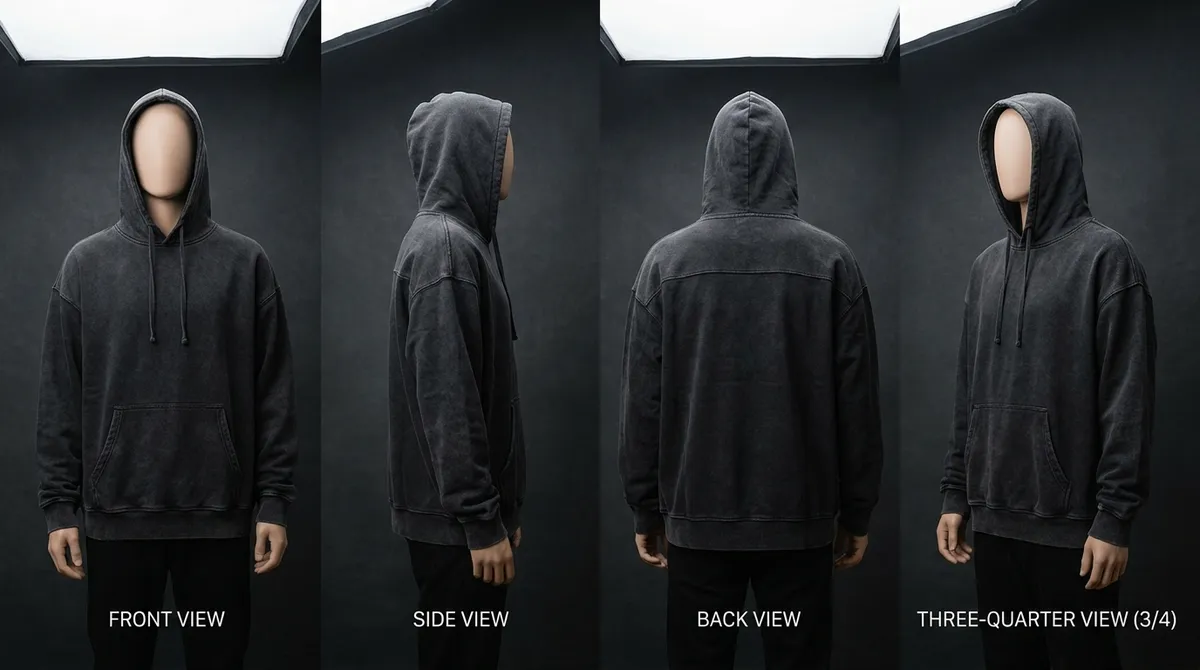
AI design tools have compressed the concept-to-visualization pipeline from months to hours. Instead of hiring a designer to sketch your ideas, you can describe your vision in natural language and get photorealistic product renders on the first pass. Want to see your hoodie concept in heavyweight French terry with a washed black colorway and embroidered logo? Type that description and get an image you can share with manufacturers, investors, or your Instagram audience.
With Smasher Studio, you can generate design concepts, explore colorways across your entire collection, simulate different fabrics on your designs, and create multi-angle views, all from text descriptions. You can iterate through dozens of concepts in an afternoon, narrowing your collection from 50 rough ideas to 10 polished designs without spending a dollar on physical samples.
This does not eliminate the need for physical sampling entirely. You will still need to produce physical prototypes before going to production. But it dramatically reduces the number of physical samples you need, because you have already validated your designs digitally. Instead of sampling 30 styles to choose 10, you sample 12 to produce 10.
Collection Planning Tips
- Start with a color palette of 3-5 colors that work together. Every piece should coordinate.
- Design for your actual customer, not for fashion week. Think about what they will wear on a Tuesday.
- Include at least 2-3 "gateway" pieces: lower-priced items (tees, accessories) that let new customers try your brand.
- Plan your size range early. Every additional size adds cost. Start with S-XL and expand based on demand.
- Create a line sheet showing all styles, colors, and price points together. If it does not look cohesive, edit.
Create Tech Packs
A tech pack (technical package) is the blueprint that tells a manufacturer exactly how to produce your garment. It is the single most important document in the production process, and the quality of your tech pack directly determines the quality of your first samples. A bad tech pack leads to bad samples, costly revisions, and months of delays. A great tech pack gets you production-ready samples on the first or second try.
What Goes in a Tech Pack
A complete tech pack includes:
Technical Flats
Front, back, and side flat drawings showing every seam, stitch, and construction detail. These are not fashion illustrations; they are precise, proportional diagrams.
Bill of Materials (BOM)
Every material needed: shell fabric, lining, interfacing, thread, zippers, buttons, labels, tags, hangtags, and poly bags. Include fiber content, weight, and supplier if known.
Measurements & Size Chart
Detailed measurements for every size in your range. Include length, width, sleeve, shoulder, neck opening, hem width: every dimension the factory needs to cut and sew accurately.
Construction Details
Stitch types (lockstitch, overlock, coverstitch), seam allowances, hem finishes, pocket placement, label placement, and any special techniques like topstitching or bar-tacking.
Colorways & Pantone References
Exact color specifications using Pantone TPX codes for fabric, Pantone Coated codes for prints, and specific thread color references. Never rely on screen colors alone.
Artwork & Placement
Print files, embroidery digitization files, or screen-print separations with exact placement coordinates. Include scale, method, and color call-outs.
Creating Tech Packs: Traditional vs AI
Traditionally, tech packs are created by a technical designer using Adobe Illustrator, costing $200-$500 per style. For a 10-piece collection, that is $2,000-$5,000 before you have produced a single garment. Revisions after sampling add more cost.
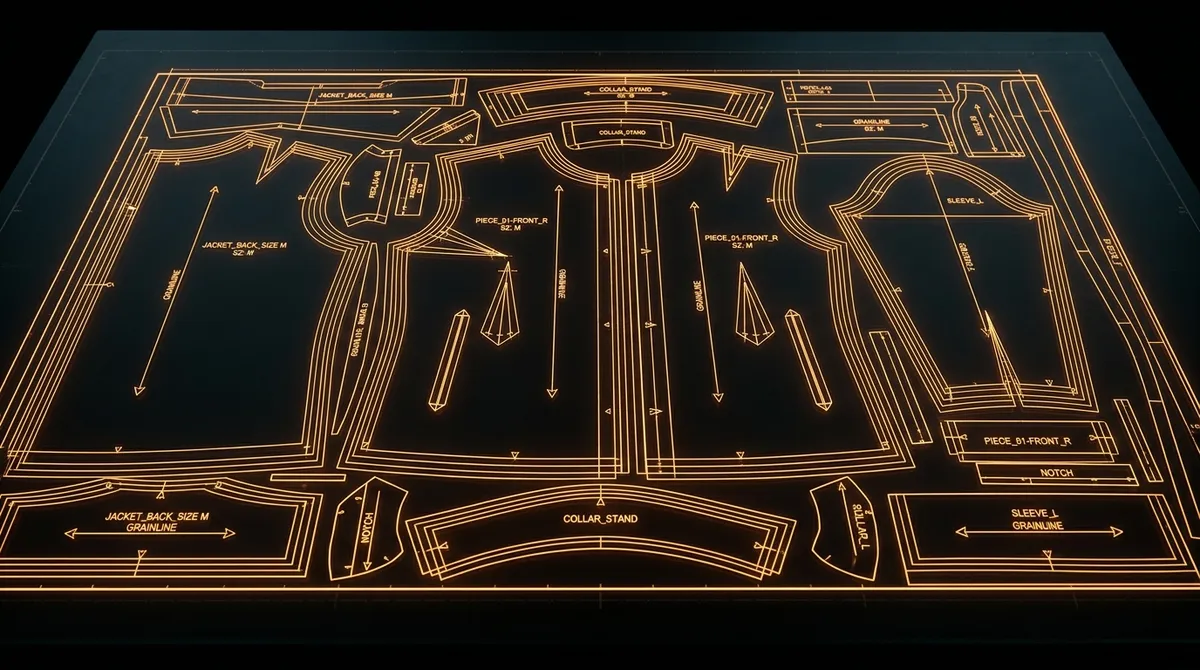
Smasher Studio changes this equation. From your design images and descriptions, professional pattern makers deliver a production DXF pattern from $29 per garment in as little as 48 hours, with the first revision included. A comprehensive factory tech pack covering measurements, BOM, construction details and size charts, plus grading, marker layout and seam allowances, are available as add-ons from $5 to $15. That is a fraction of the traditional cost, dramatically reducing both cost and turnaround time.
Find Manufacturers
Finding the right manufacturer is one of the most challenging steps for new brands. Your factory is your production partner; they determine your quality, your timelines, and ultimately your reputation. Take this step seriously and do not commit to the first factory that responds to your inquiry.
Domestic vs Overseas Manufacturing
Domestic (USA/EU)
- Lower MOQs: 50-200 units
- Faster turnaround: 4-8 weeks
- Easy communication (same timezone, language)
- Factory visits are feasible
- "Made in USA/EU" label value
- Higher per-unit cost (2-4x overseas)
- Limited fabric availability
Overseas (Asia/Turkey/Portugal)
- Lower per-unit cost
- Access to specialized fabrics and techniques
- Higher capacity for scaling
- Higher MOQs: 200-1000+ units
- Longer lead times: 12-20 weeks
- Communication barriers
- Quality control requires agents or visits
- Shipping costs and duties add up
Where to Find Manufacturers
Start with Maker's Row and Sewport for domestic factories. For overseas, Alibaba is the most well-known directory, but the quality varies wildly: always request samples before committing. Industry trade shows like MAGIC (Las Vegas), Texworld (New York/Paris), and Premiere Vision (Paris) let you meet manufacturers in person and see their work. LinkedIn is underrated: search for "cut and sew manufacturer" and filter by location. Finally, ask other brand owners. The fashion community is more collaborative than you might expect, and many founders will share factory contacts for non-competing categories.
The Inquiry Process
When you contact a manufacturer, send your tech packs, target quantities, and target price point. A professional tech pack immediately signals that you are serious and prepared. Factories receive dozens of inquiries daily; a complete tech pack moves you to the top of the pile. Request a sample quote (expect $100-$500 per sample depending on complexity), production quote, and timeline. Always order samples before committing to production. A $300 sample is cheap insurance against a $10,000 production mistake.
Product Photography
Product photography makes or breaks your online sales. In e-commerce, your photos are your storefront. Customers cannot touch the fabric, try on the fit, or see the details in person. Your imagery needs to do all of that heavy lifting. Bad photos make a great product look cheap. Great photos make customers hit "Add to Cart" without hesitation.
What You Need
For a complete e-commerce launch, you need:
- Flat lay/ghost mannequin shots on white background (for clean product pages)
- On-model photography showing fit and movement (3-5 images per style)
- Lifestyle/editorial shots for social media and marketing
- Detail close-ups showing fabric texture, stitching, hardware, and labels
- Video content for social media and product pages (increasingly expected by shoppers)
Cost Comparison: Studio vs AI Photography
| Component | Traditional Studio | AI Photography |
|---|---|---|
| Studio Rental (full day) | $500-$2,000 | $0 |
| Photographer (full day) | $800-$3,000 | $0 |
| Model (full day) | $500-$2,000 | $0 |
| Hair & Makeup | $300-$800 | $0 |
| Retouching (per image) | $15-$50 | $0 |
| Cost per image | $50-$200 | $0.50 |
| Turnaround | 1-3 weeks | Seconds |
| Total (10 styles, 5 images each) | $3,000-$10,000 | $25 |
AI product photography has become sophisticated enough for most e-commerce use cases. Smasher Studio generates flat lays, on-model shots, lifestyle imagery, and product videos from text descriptions. For a new brand on a budget, AI photography lets you launch with professional-quality imagery and reinvest those thousands of dollars into production or marketing.
That said, once your brand gains traction, investing in real photography adds authenticity and brand personality that AI cannot fully replicate. Many successful brands use AI for their initial launch and product listing photos, then add studio photography for seasonal campaigns and editorial content as revenue grows.
Build Your Online Store
Your website is your flagship store. Even if you plan to sell wholesale or through marketplaces, you need a direct-to-consumer website where you control the experience, the customer relationship, and the margins. DTC gives you 65-80% gross margins compared to 30-40% through wholesale.
Platform Options
Shopify
$39-$399/mo
Pros: Easiest setup, best app ecosystem, built for fashion, excellent mobile themes
Cons: Transaction fees unless using Shopify Payments, limited customization without code
Best for most new brands
WooCommerce
$0 + hosting (~$30/mo)
Pros: Full customization, no transaction fees, own your data, vast plugin library
Cons: Requires WordPress knowledge, more maintenance, hosting responsibility
Best for tech-savvy founders
Squarespace
$33-$65/mo
Pros: Beautiful templates, easy to use, good for brand-forward stores
Cons: Limited e-commerce features, fewer integrations, basic inventory management
Best for small, curated collections
Essential Store Pages
Beyond product pages, your store needs: an About page telling your brand story, a Size Guide with detailed measurements (include a fit model's stats for reference), a Shipping & Returns page with clear policies (free shipping over a threshold reduces cart abandonment by 30-50%), and a Contact page. Add an FAQ page answering common questions about fit, care, and materials. These pages build trust and reduce customer service volume.
Additional Sales Channels
Do not put all your eggs in one basket. Consider listing on marketplace platforms like Depop (strong with Gen Z), Etsy (great for handmade or small-batch fashion), Amazon (massive reach but thin margins), and Nordstrom's Open Call program for emerging brands. Instagram Shopping and TikTok Shop have become significant revenue channels for fashion brands, with some brands doing 30-50% of their sales through social commerce.
Launch and Market Your Brand
Your launch is not the finish line; it is the starting line. The most common mistake new brands make is spending all their energy (and budget) on building the product and having nothing left for telling people about it. Plan to allocate at least 20-30% of your startup budget to marketing and customer acquisition.
Pre-Launch (6-8 Weeks Before)
- Build an email list. Create a "coming soon" landing page offering early access or a launch-day discount. Use Instagram, TikTok, and your personal network to drive sign-ups.
- Start posting content on Instagram and TikTok 6-8 weeks before launch. Show behind-the-scenes: fabric sourcing, sample fittings, design decisions. People buy into the journey before the product.
- Identify 10-20 micro-influencers (5K-50K followers) in your niche who genuinely fit your brand. Send them product in exchange for honest content. Micro-influencers drive 60% higher engagement than macro-influencers.
- Write and schedule your PR outreach. Create a press kit with high-res product photos, brand story, founder bio, and pricing. Email fashion editors at niche publications; they are more receptive than you think.
Launch Day Strategy
Create urgency. Whether it is a limited-edition launch, a founding-member discount, or an exclusive early-access window for email subscribers, give people a reason to buy now rather than later. Send your email blast, post across all social channels, have your influencer partners post, and go live on Instagram or TikTok to answer questions in real time. Your goal on launch day is not just sales; it is social proof. Every order, every share, every story post builds momentum.
Ongoing Marketing Channels
Your visual portfolio. Post 3-5 times per week mixing product shots, lifestyle content, behind-the-scenes, and community reposts. Reels and Stories drive the most reach in 2026.
TikTok
The discovery engine. Short-form videos showing your process, styling tips, and brand personality can reach millions organically. Fashion is one of the top-performing categories on TikTok.
Email Marketing
Your highest-ROI channel. Build flows for welcome series, abandoned cart, post-purchase, and win-back. Send 1-2 campaigns per week. Email drives $36 for every $1 spent on average.
Pop-Up Events
Physical presence builds brand credibility and customer relationships. Start with markets and shared pop-up spaces ($500-$2,000 per weekend) before committing to a permanent location.
Cost Comparison: Traditional vs AI-First Fashion Brand
Here is a realistic breakdown of what it costs to launch a 10-style collection using the traditional approach versus an AI-first approach. Both paths assume direct-to-consumer sales, domestic manufacturing of 100 units per style, and a professional-quality launch.
| Category | Traditional Path | AI-First Path |
|---|---|---|
| Design & Illustration | $3,000 - $15,000 | $50 - $200 (AI credits) |
| Tech Packs + DXF (10 styles) | $2,000 - $5,000 | $290 - $1,290 (pattern makers) |
| Sampling | $2,000 - $5,000 | $1,000 - $3,000 (fewer needed) |
| Product Photography | $3,000 - $10,000 | $25 - $100 (AI generation) |
| Production (1,000 units) | $5,000 - $15,000 | $5,000 - $15,000 (same) |
| Website / E-commerce | $500 - $3,000 | $500 - $3,000 (same) |
| Branding & Logo | $1,000 - $5,000 | $200 - $500 (AI-assisted) |
| Legal (LLC, Trademark) | $500 - $1,500 | $500 - $1,500 (same) |
| Marketing & Launch | $2,000 - $5,000 | $1,500 - $4,000 |
| Total | $19,000 - $64,500 | $8,825 - $27,550 |
The biggest savings come from design iteration, tech packs, and product photography, areas where AI tools deliver 90%+ cost reduction without sacrificing quality. Production costs remain the same regardless of approach, as physical garments still need to be cut, sewn, and finished by real factories.
Frequently Asked Questions
How much money do I need to start a fashion brand?+
Do I need a fashion degree to start a clothing brand?+
How long does it take to launch a fashion brand?+
Should I manufacture domestically or overseas?+
What is the minimum order quantity (MOQ) for a new fashion brand?+
How do I price my clothing to make a profit?+
Can AI really replace traditional fashion design?+
What legal requirements do I need to start a fashion brand?+
Continue Reading
How to Start a Clothing Line
A product-focused guide covering design, sourcing, pricing, and production for your first clothing line.
AI Fashion Design
Explore AI-powered design tools for every garment type, from t-shirts to gowns.
AI T-Shirt Design
Generate photorealistic t-shirt designs with AI. The most popular starting point for new brands.
AI Hoodie Design
Create streetwear-ready hoodie concepts with AI on the first pass.
Patterns and Tech Packs
A flat sketch and a garment read from a photo, then a production pattern from a pattern maker, with the factory tech pack as an add-on.
Streetwear Style Guide
Design principles, audience insights, and aesthetic direction for streetwear brands.
Ready to Start Your Fashion Brand?
Design your first collection with AI. Generate concepts, tech packs, colorways, and product photography, all from text descriptions. Free to start, no credit card required.