Can AI make a product photo of my ties for free?
Yes. Drop one photo of your tie and get a clean ghost mannequin packshot on white in about twenty seconds, free, with no account.
Drop your tie photo here
or choose one from your phone or computer
JPEG, PNG or WebP. Any phone photo works.
Your photo is stored for 30 days, then deleted. It is used to make your image, and by the studio if you continue there. If you order a pattern from it, a copy is kept with your order.
On this platform the AI does the design and visualisation work and a human pattern maker cuts the pattern. That split is deliberate. How the pattern is made.
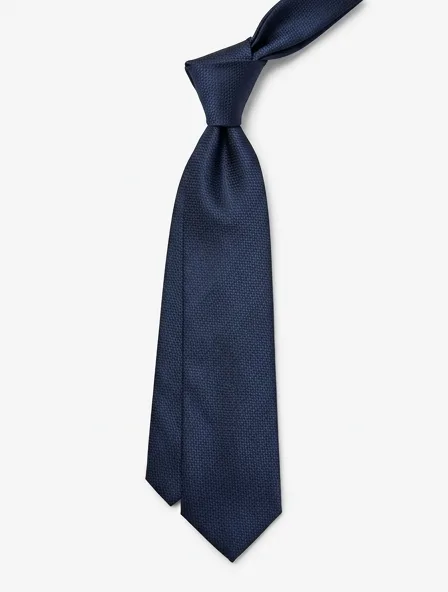
Product Photography for a tie
Product photography means a clean, consistent picture of your tie for a shop page: on white, on an invisible mannequin or on a model, with the same light from one product to the next.
Shoot a tie at a three-quarter angle on white, then a close detail of the hardware or the stitching.
Of those cloths, silk jacquard catches the most light and polyester jacquard the least, so they need different lighting.
What you get
A clean product image of the tie on a white or neutral background, with the same light and framing from one product to the next.
Step by step
- Start from a clear photo of the tie or from a design image.
- Choose the presentation: invisible mannequin, flat lay or on a model.
- Keep the same background and light for the whole range.
- Add one close detail of the fabric or the finishing.
A common mistake
Mixing presentations across a range: a shop page reads as one catalogue only when every product is shot the same way.
How the usual cloths for ties photograph
- Silk jacquard
- High sheen: light it from the side
- Charmeuse satin
- High sheen: light it from the side
- Polyester jacquard
- Soft sheen: shows the folds without glare
Typical trade ranges, not one mill's figures: confirm them with your mill.
The tie, in numbers
- Typical length
- 145 to 150 cm, end to end
- Defining details
- Three-fold or seven-fold construction, interlining, tipping, bar tack
Typical figures for an adult size M.
Also: how the studio works, prices and questions and answers.
Start free