Visualize Any Material
How would my hats look in another fabric?
Ask the studio to show your hat in cotton, silk, denim, leather, velvet or linen, as images, before you order samples.
On this platform the AI does the design and visualisation work and a human pattern maker cuts the pattern. That split is deliberate. How the pattern is made.
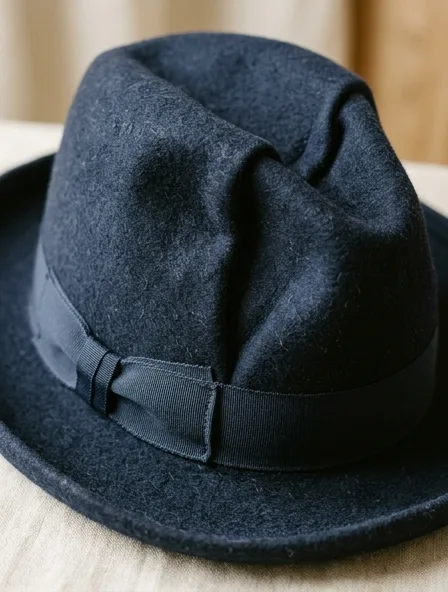
Fabric Simulation for a hat
Fabric simulation shows the same hat in different cloths side by side, so drape, sheen and weight can be compared before swatches are ordered.
Compare a hat in a smooth and a textured material first; the surface changes how the shape reads.
Wool melton drapes the most and lamb nappa leather the least: the two ends of the comparison.
What you get
The same hat rendered in two or more cloths side by side, so drape, sheen and texture can be compared.
Step by step
- Start from one settled image of the hat.
- Pick cloths of similar weight first, then one contrast.
- Compare the drape at the hem and the sheen on the folds.
- Order swatches of the two finalists before deciding.
A common mistake
Choosing a cloth from a render alone: it shows the character of a cloth, not how heavy it feels in the hand.
Cloths worth comparing for hats
- Wool melton
- Soft, matte surface
- Cotton twill
- Medium, matte surface
- Polyester twill
- Medium, soft sheen
- Lightweight denim
- Structured, holds its own shape, matte surface
- Wool tweed
- Structured, holds its own shape, matte surface
- Lamb nappa leather
- Structured, holds its own shape, soft sheen
Typical trade ranges, not one mill's figures: confirm them with your mill.
The hat, in numbers
- Cloth needed
- about 0.3 to 0.6 m of 150 cm cloth
Typical figures for an adult size M.
Also: how the studio works, prices and questions and answers.
Start free