Create with AI
How can I design belts with AI?
Describe your belt in plain words in the studio and get a photorealistic image of the design, with no design software and no sample.
On this platform the AI does the design and visualisation work and a human pattern maker cuts the pattern. That split is deliberate. How the pattern is made.
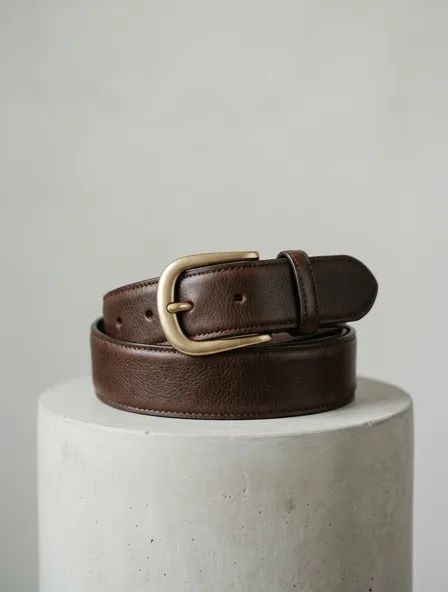
Design for a belt
A design render turns a written description of your belt into a photorealistic image, so a silhouette, a neckline or a pocket can be judged before anyone cuts cloth.
Name the shape, the size against a hand or a foot, and the hardware first; those decide whether a belt reads right.
Belt leather is the safest cloth to name for belts; polyester webbing gives a less expected result.
What you get
A photorealistic image of the belt, back in seconds, that you can refine in the same conversation.
Step by step
- Say who the belt is for and where it will be worn.
- Give the cloth, the color and the one detail that matters most: a neckline, a pocket, a hem.
- Ask for one change at a time and compare the versions.
- When the design is settled, keep it in a collection and move on to photos or a pattern.
A common mistake
Describing ten details at once: the image honours some and drops others. Two or three per request work better.
Cloths to name when you describe belts
- Belt leather
- A classic pairing, 3 to 4 mm thick
- Cotton webbing
- Common, No cloth weight: the trade quotes the yarn or the material instead
- Polyester webbing
- Common, No cloth weight: the trade quotes the yarn or the material instead
Typical trade ranges, not one mill's figures: confirm them with your mill.
The belt, in numbers
A belt is a strap of leather or webbing with a buckle, sized to the waist plus an overlap. The edges, the stitching and the quality of the buckle are what show.
- Defining details
- Buckle, keeper loop, painted or burnished edges, punched holes
- Key measurements
- Waist
Typical figures for an adult size M.
Also: how the studio works, prices and questions and answers.
Start free