AI-Powered Visual Content for Fashion
Fashion Brand Content Creation in 2026
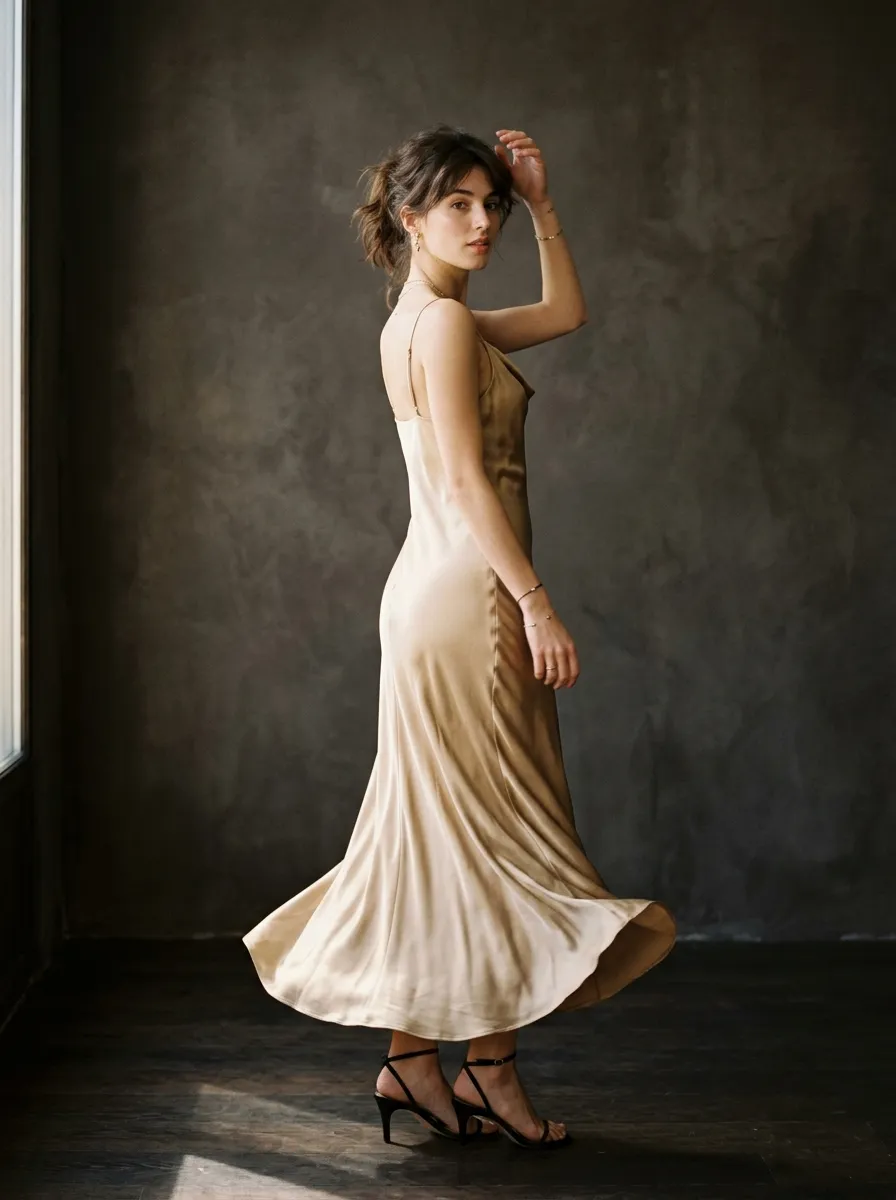
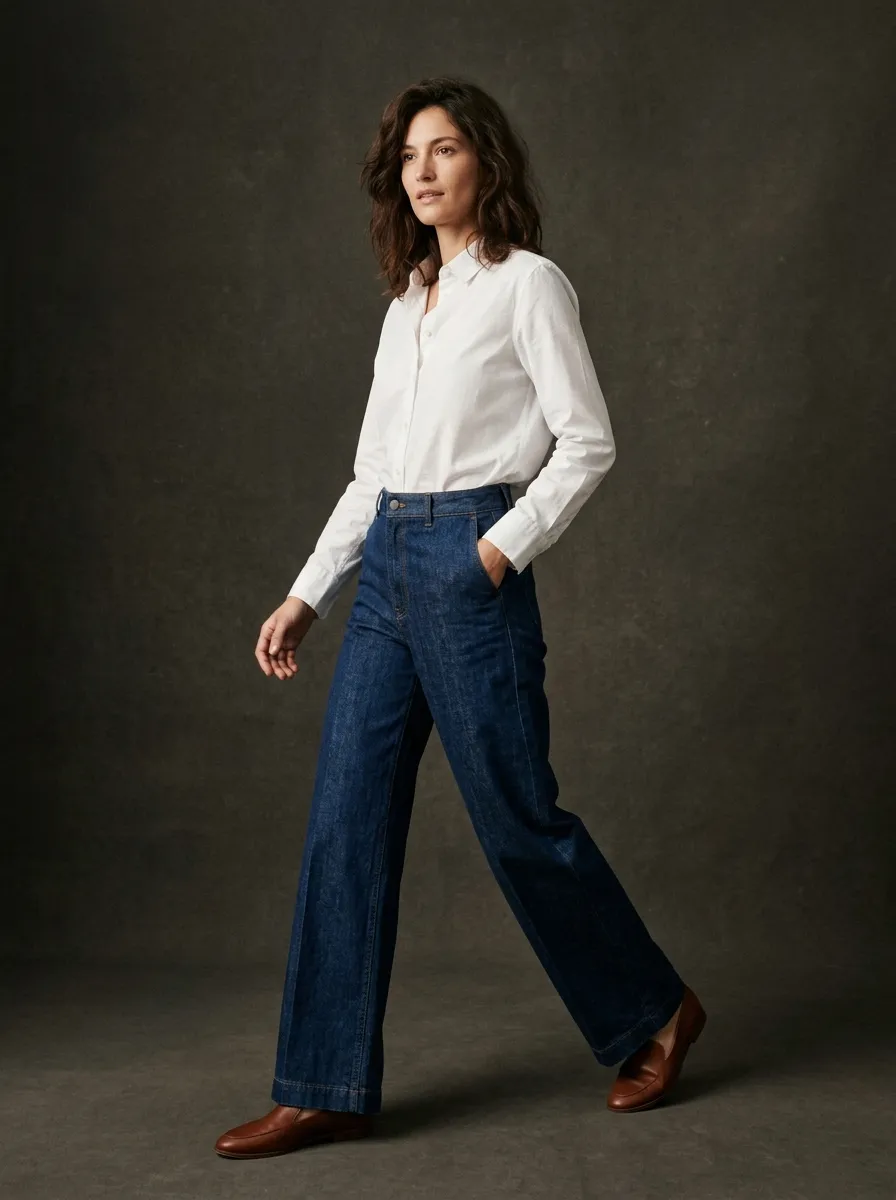
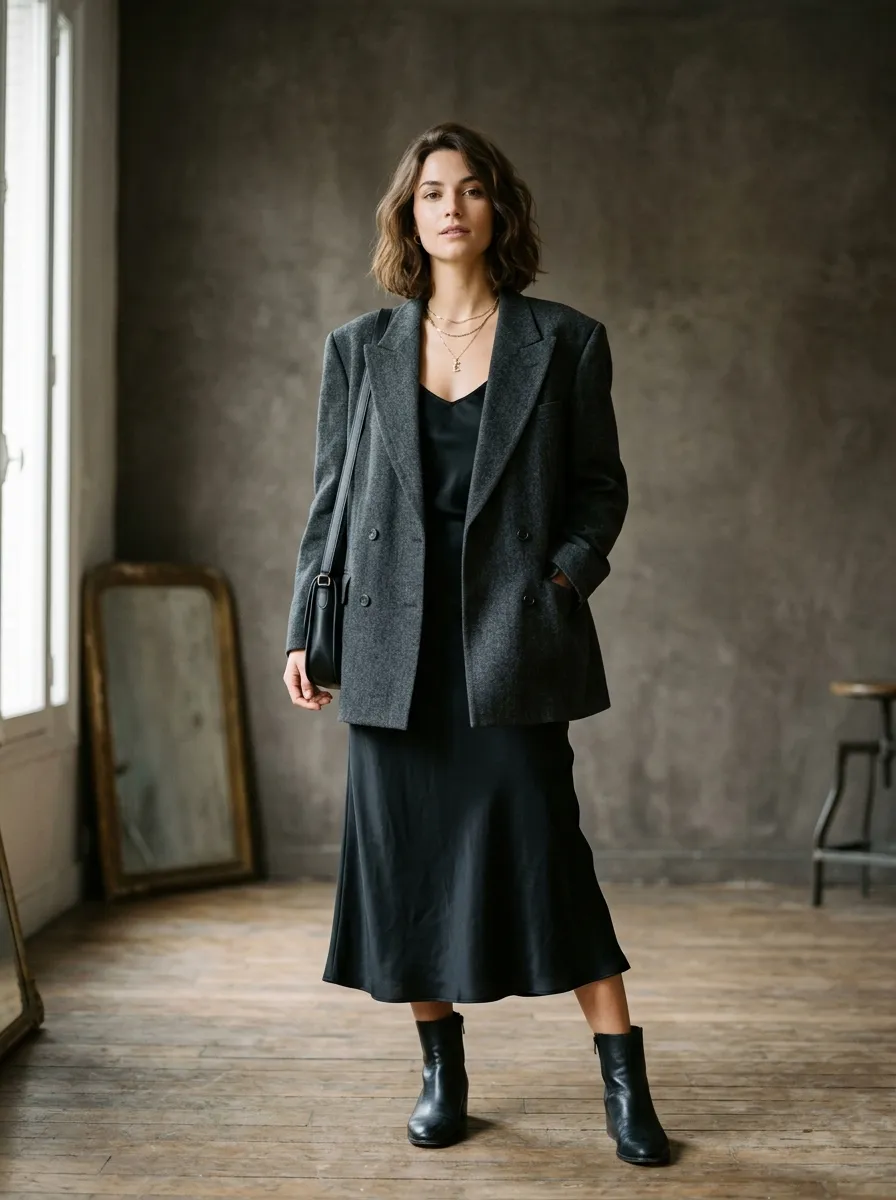
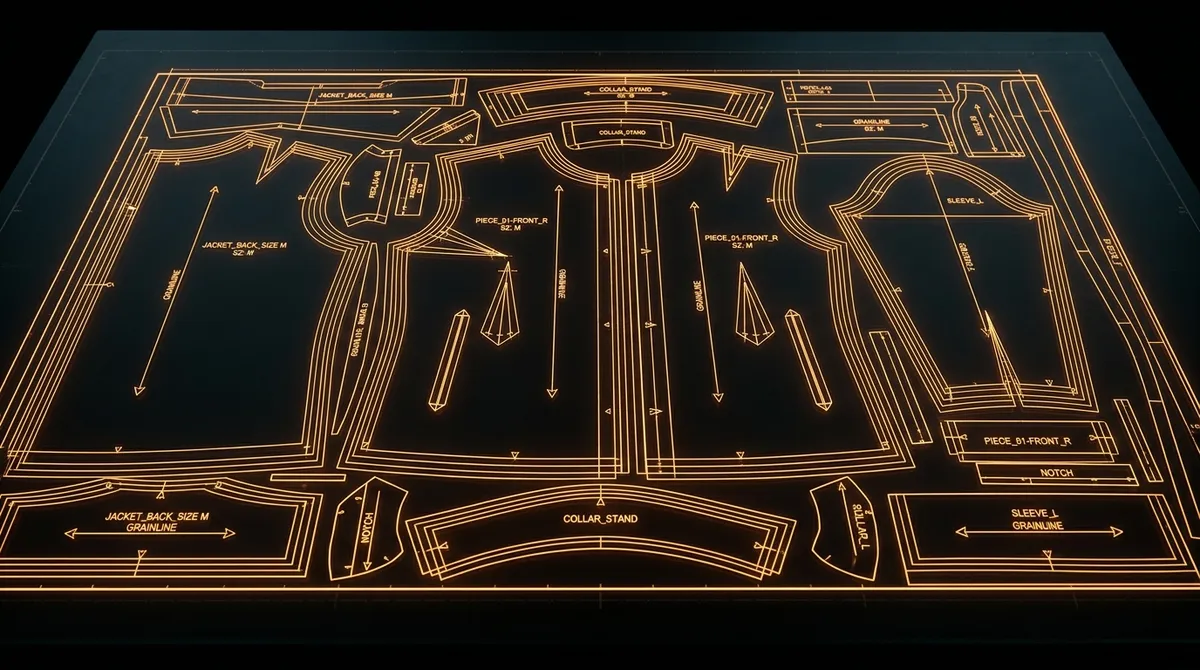
Every fashion brand needs hundreds of images per season, video for every platform, lookbooks for buyers, and catalogs for wholesale. The traditional pipeline takes weeks and costs thousands. AI changes the math entirely. Generate product photography, lookbook imagery, social media content, and video campaigns in minutes — at a fraction of the cost.
The Content Bottleneck Every Fashion Brand Faces
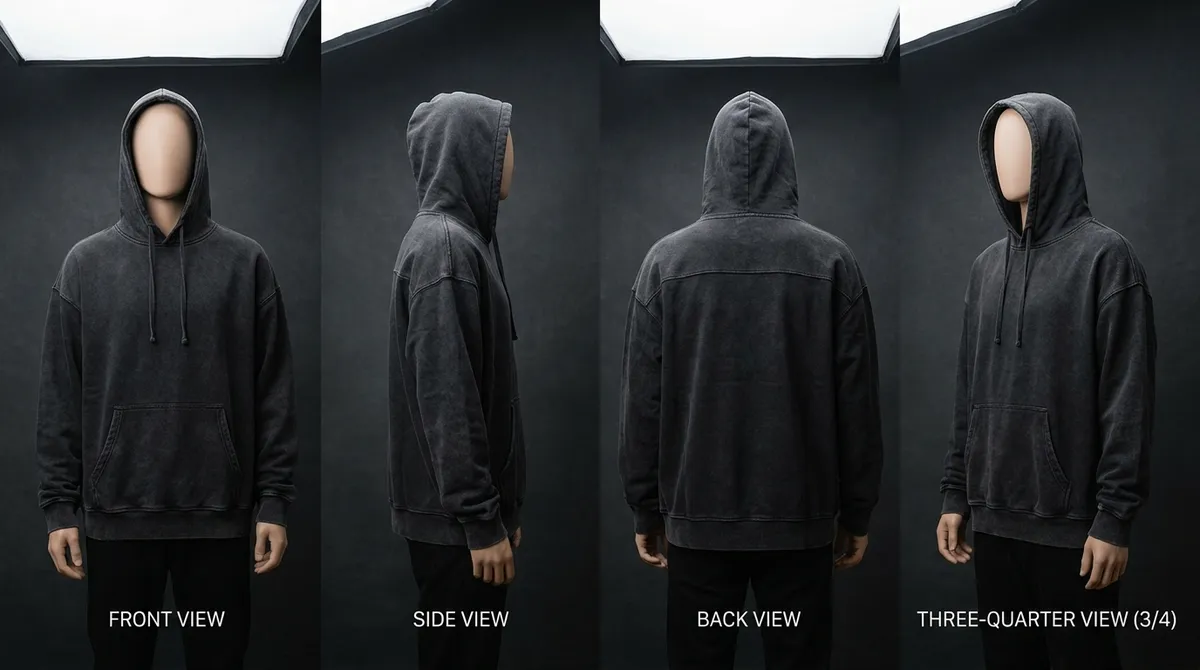
Fashion has become a content-hungry industry. A single product listed on a modern e-commerce platform needs between 5 and 8 images: front, back, detail shots, lifestyle context, and size reference views. Multiply that by 50 SKUs in a seasonal collection, and you are looking at 250 to 400 product images before you have even touched social media, email marketing, or wholesale presentations.
Then there is the platform fragmentation problem. Instagram demands square crops and vertical Reels. TikTok needs native vertical video. Pinterest rewards tall, high-resolution pins. Amazon has strict white-background requirements. Your Shopify store wants lifestyle imagery that tells a brand story. Each channel has its own format, aspect ratio, and visual language — and your customers expect native-feeling content everywhere they encounter your brand.
The result is a content bottleneck that chokes growth. Brands either overspend on production (hiring photographers, renting studios, booking models for every platform variation) or under-invest in content (reusing the same three product photos across all channels, watching engagement decline season after season). Neither approach is sustainable.
The math is simple and unforgiving: if you launch 4 collections per year with 40 to 60 styles each, and you need 6 images per style plus video plus social variations, you are looking at over 1,500 pieces of content annually. For an emerging brand operating on thin margins, that volume of traditional content production is financially impossible. For an established brand, it is a logistics headache that occupies entire teams for months at a time.
Content Types Every Fashion Brand Needs
Product Photography
The foundation of your e-commerce presence. Clean, well-lit product images on white or branded backgrounds. Every marketplace — Amazon, Shopify, Etsy, Depop — requires high-resolution product photos that show the garment clearly from multiple angles. AI generates consistent, studio-quality product photography without booking a single studio day.
5 credits per image
Lookbook Imagery
Seasonal storytelling that communicates your brand world. Lookbooks position your garments in context — styled outfits, curated settings, editorial compositions. Buyers and press use lookbooks to understand your collection narrative. AI lookbook generation lets you visualize complete editorial concepts before spending on physical production.
5 credits per image
Social Media Content
Platform-native visual content for Instagram, TikTok, Pinterest, and Facebook. Each platform rewards different formats: square posts, vertical stories, carousel slides, and tall pins. AI generates content already framed for each platform dimension, so you are not cropping an existing image into an awkward shape or booking a separate shoot for each format.
5 credits per image
Video Content
Product showcase videos, styling reels, and brand campaign clips. Video outperforms static imagery on every major platform — Instagram Reels, TikTok, YouTube Shorts, and Pinterest Idea Pins. AI video generation creates professional-quality fashion video from text descriptions or still images, available in 5, 10, and 15-second durations.
from 40 credits per video
Catalog & Line Sheet Imagery
Wholesale-ready product presentations for buyers and retailers. Line sheets need consistent, clean imagery with color accuracy and garment detail visibility. Catalogs require a higher level of visual storytelling while maintaining product clarity. AI produces both at scale, ensuring visual consistency across your entire collection.
5 credits per image
Email Marketing Visuals
Campaign headers, product highlights, and promotional banners for email. Email marketing remains one of the highest-ROI channels for fashion brands, but it demands a constant stream of fresh visuals. AI generates on-brand email imagery in one pass, making it practical to produce unique visuals for every send rather than recycling old campaign photos.
5 credits per image
The Traditional Content Pipeline: Time, Team, and Cost
Understanding what the traditional pipeline looks like helps clarify why AI represents such a fundamental shift. A standard seasonal content production involves multiple professionals, weeks of coordination, and significant capital outlay.
The Timeline: 6 to 8 Weeks
Weeks 1-2: Pre-production. Creative direction, shot list development, location scouting or studio booking, model casting, stylist briefing, prop sourcing. This phase alone requires a creative director or experienced photographer to plan every shot before a camera is even picked up.
Weeks 3-4: Production. Shoot days — typically 2 to 5 full days depending on collection size. Each day requires the full team on set: photographer, assistant, stylist, hair and makeup artist, models, and a producer to keep the schedule on track. Studio rental runs $500 to $2,000 per day. Model day rates range from $500 for local talent to $5,000+ for established faces.
Weeks 5-6: Post-production. Culling (selecting final images from thousands of shots), color correction, retouching, background removal for e-commerce, format conversion for different platforms. A skilled retoucher processes 20 to 30 final images per day. At $5 to $15 per image, post-production alone costs $500 to $6,000 for a seasonal collection.
Weeks 7-8: Platform optimization. Resizing and reformatting for each sales channel. Creating video edits from behind-the-scenes footage. Building email templates. Scheduling social posts. By the time content is live, nearly two months have passed since the process began.
The Team: 5 to 8 Professionals
A standard fashion shoot requires a photographer ($1,500-$5,000/day), a stylist ($500-$2,000/day), 1-3 models ($500-$5,000/day each), a hair and makeup artist ($500-$1,500/day), a photo assistant ($200-$400/day), a retoucher ($3-$15/image), and often a producer to coordinate logistics ($500-$1,500/day). Even a lean operation with a single model and minimal crew spends $3,000 to $5,000 per shoot day before studio rental and post-production costs.
The Cost: $10,000 to $50,000+ Per Season
A small brand producing 50 SKUs for a single season can expect to spend $10,000 to $20,000 on a modest production. Mid-size brands with 100+ SKUs, multiple model options, and video content routinely spend $30,000 to $50,000 per season. Large brands with studio campaigns, multiple locations, and celebrity partnerships can easily exceed $100,000 per content cycle. For a brand launching 4 seasons per year, annual content production costs range from $40,000 to $200,000 — often the single largest marketing expense after paid advertising.
The AI Content Pipeline: Describe, Generate, Iterate, Export
Describe
Write what you want in natural language. Specify garment details (fabric, color, silhouette), photography style (flat lay, on-model, lifestyle), lighting (studio, natural, dramatic), and mood (editorial, commercial, minimalist). The AI understands fashion terminology — you can say "oversized linen blazer, sand colorway, editorial lighting on neutral backdrop" and get exactly that.
Generate
The AI produces photorealistic imagery in 10 to 30 seconds. It understands fabric drape, garment construction, body proportions, and photography conventions. Each generation costs 5 credits for images. You can generate multiple variations in parallel, exploring different angles, colorways, and styling options without additional setup or wait time.
Iterate
Refine your results through conversation. Ask for adjustments: "make the fabric look more textured," "switch to a warmer color palette," "add a lifestyle background." The AI maintains context within your session, building on previous generations rather than starting from scratch. This iterative process replaces hours of re-shooting and re-editing.
Export
Download production-ready files immediately. Images are delivered in high resolution suitable for e-commerce, print, and social media. There is no waiting for a retoucher, no file transfer delays, and no additional processing costs. Your content goes from concept to published in the same session.
Creating Content for Every Platform
Each platform your fashion brand operates on has distinct content requirements. The most successful brands create native content for each channel rather than repurposing the same images everywhere. AI makes this approach economically viable for the first time.
Instagram: The Visual Storefront
Instagram remains the primary discovery platform for fashion brands. You need square feed posts (1:1) for the grid aesthetic, vertical Reels (9:16) for algorithmic reach, and Stories (9:16) for daily engagement. A well-maintained Instagram presence requires 3 to 5 feed posts per week, daily Stories, and 2 to 3 Reels per week. That is roughly 40 to 60 pieces of content per month. AI generates Instagram-optimized imagery in one pass: styled product shots for the feed, dynamic video content for Reels, and promotional graphics for Stories. The Brand Memory feature ensures your grid maintains a cohesive visual identity across dozens of posts.
TikTok: Video-First Discovery
TikTok drives more fashion discovery than any other platform for consumers under 35. The platform demands vertical video content (9:16) with strong visual hooks in the first 1 to 2 seconds. Fashion brands need product reveal videos, styling tutorials, and trend-driven content. AI video generation creates 5 to 15-second fashion clips from text descriptions or product images, giving you a steady supply of native TikTok content without filming a single video manually.
Pinterest: Search-Driven Commerce
Pinterest functions as a visual search engine where users actively seek fashion inspiration with purchase intent. Tall pins (2:3 ratio) perform best, and the platform rewards high-quality, detailed product imagery. Pinterest is uniquely valuable because pins have a long shelf life — a well-optimized pin can drive traffic for months or years. AI allows you to generate high-resolution, pin-optimized product imagery for every item in your catalog, maximizing your searchable surface area on the platform.
Amazon & Marketplaces: Conversion-Optimized
Amazon requires a pure white background (RGB 255,255,255) for main product images, with the product filling at least 85% of the frame. Secondary images can include lifestyle shots, size charts, and infographics. Etsy and Depop have different aesthetic standards but similarly strict technical requirements. AI generates marketplace-compliant product imagery directly, eliminating the post-production step of background removal and color correction that traditional photography always requires.
Shopify & Your Own Store
Your own e-commerce store is where brand storytelling and product imagery converge. Shopify product pages perform best with 5 to 8 images per product: hero shot, multiple angles, detail close-ups, lifestyle context, and a size or fit reference image. Collection pages need cohesive banner imagery. Landing pages for campaigns need editorial-quality visuals. AI generates all of these in a unified visual language, ensuring your store feels curated and consistent from homepage to checkout.
Consistency at Scale: The AI Advantage
One of the most underappreciated challenges in fashion content creation is maintaining visual consistency across hundreds of images. Traditional photography is inherently inconsistent. Light changes throughout the day. Photographers vary in style. Different studio setups produce different results. Even a careful color correction process introduces subtle variations that accumulate across a large catalog.
This inconsistency damages brand perception. When a customer scrolls through your product catalog and sees varying backgrounds, lighting temperatures, and composition styles, it creates a subconscious sense of unprofessionalism — even if each individual image is technically well-produced. Luxury brands invest millions in maintaining consistency across their visual output. Emerging brands rarely have that option.
AI changes this equation fundamentally. Smasher Studio's Brand Memory system stores your visual preferences and applies them to every generation. Specify your preferred lighting setup once, and it applies to image number 1 and image number 500 identically. Define your background style, and it remains consistent across your entire catalog. Choose a photography angle, and it replicates precisely across every product.
The result is a level of visual consistency that was previously only achievable by brands with dedicated in-house studios and full-time creative teams. AI democratizes premium visual consistency, making it available to independent designers, small brands, and emerging labels operating with limited resources. Your 200-item catalog looks as cohesive as a luxury brand's 20-piece capsule collection.
Fashion Content Calendar: A Monthly Plan
A well-structured content calendar ensures your brand maintains visibility across all channels without content gaps. Here is a recommended monthly content plan for a fashion brand, with the approximate volume needed and the AI credits required to produce it.
| Content Type | Weekly Volume | Monthly Total | Credits Needed |
|---|---|---|---|
| Instagram feed posts | 4-5 images | 18-20 | 90-100 |
| Instagram Reels / TikTok | 2-3 videos | 10-12 | 1,000-3,600 |
| Pinterest pins | 5-8 images | 25-32 | 125-160 |
| Email campaign visuals | 1-2 images | 6-8 | 30-40 |
| New product listings | varies | 10-30 | 50-150 |
| Total | 69-102 assets | 1,295-4,050 |
At these volumes, the Studio plan ($49/month for 900 credits) covers most image-only content needs. Brands producing regular video content will benefit from the Pro plan ($99/month for 2,000 credits). Credit top-ups are available starting at $5 for 50 credits if you need additional capacity during peak seasons.
Cost Comparison: 100-Image Seasonal Shoot
To make the financial case concrete, here is a detailed line-item comparison for a standard 100-image seasonal content production — the kind of project a brand with 25 to 30 SKUs would need each season.
Traditional Photography
AI with Smasher Studio
The savings are not marginal — they are transformational. A brand that previously allocated $15,000 per season for content production can achieve similar visual output for under $100, freeing capital for product development, marketing, and inventory. Over four seasons, that is $59,000+ in savings annually.
Video Content for Fashion Brands
Video content is no longer optional for fashion brands. Instagram Reels, TikTok, YouTube Shorts, and Pinterest Idea Pins all prioritize video in their algorithms. Brands that invest in video content see 2x to 5x higher engagement rates compared to static imagery alone. But traditional video production is even more expensive and time-consuming than photography — a single professionally produced fashion video can cost $5,000 to $20,000.
AI video generation eliminates the production barrier entirely. Smasher Studio generates fashion video in three duration options: 5 seconds (40 credits), 10 seconds (80 credits), and 15 seconds (120 credits). You can create video from a text description ("silk blouse flowing in wind, studio lighting, slow motion") or animate a still product image to add motion and life.
The types of video content AI enables for fashion brands include product showcase videos that highlight garment details and movement, styling videos demonstrating how pieces work together in an outfit, fabric texture videos that communicate material quality, and campaign-style brand videos with editorial aesthetics. Each of these would traditionally require a videographer, director, and editor — now they require only a text prompt and a few minutes of generation time.
For brands with existing product photography, AI video is particularly powerful. Upload a still product image and the AI adds natural movement: fabric ripple, gentle rotation, lighting shifts, or model-like motion. This transforms your existing image library into a video content library without re-shooting anything. A 50-image product catalog becomes 50 product videos in an afternoon.
Frequently Asked Questions
How many images can I generate per month with AI?+
Can AI-generated fashion content be used commercially?+
How does AI content compare to traditional product photography?+
Can I maintain brand consistency across hundreds of AI-generated images?+
What types of video content can I create for my fashion brand?+
Do I need any design skills to use AI content creation?+
Can I connect Smasher Studio to my existing workflow tools?+
How quickly can I produce a full seasonal collection of content?+
Related Guides
AI Product Photography
Generate e-commerce-ready product photos with AI — no camera, no studio.
How to Create a Lookbook
Build editorial-quality lookbooks for your fashion brand with AI.
Fashion E-Commerce Photography
Optimize your product imagery for Shopify, Amazon, and online sales.
AI Fashion Video
Create product videos, reels, and campaign clips with AI generation.
How to Start a Fashion Brand
A complete guide to launching your clothing brand in 2026.
Ghost Mannequin Alternative
Get product images without booking a mannequin shoot for every SKU.
Start Creating Fashion Content with AI
Join fashion brands using AI to produce professional-quality content at a fraction of the cost. Free to start: a one-time welcome of 50 credits when you create your account, then 15 credits a month, no credit card required.